

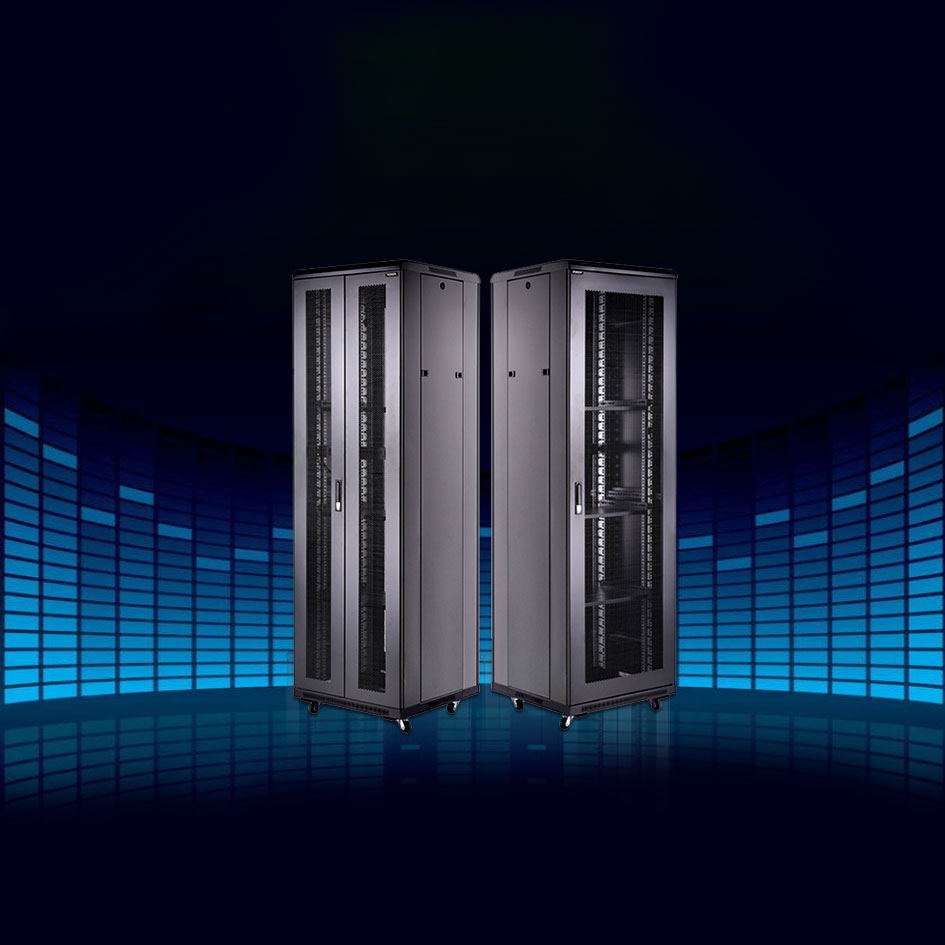
Data Center and Networking Cabinets: The Backbone of Modern IT Infrastructure
In today’s digital world, businesses rely heavily on secure and efficient IT infrastructure to support their operations. From data storage to network management, having the right equipment is essential for ensuring seamless connectivity and performance. Data center and networking cabinets play a critical role in organizing, protecting, and managing servers, switches, and other networking devices.
Data center cabinets, also known as server racks or network cabinets, provide a structured environment for housing IT equipment. They help maintain proper airflow, improve cable management, and protect valuable hardware from physical damage and unauthorized access. Whether used in enterprise data centers, telecom facilities, or office server rooms, networking cabinets are a key component of reliable IT infrastructure.
Benefits of Data Center and Networking Cabinets
1. Enhanced Equipment Protection
Networking cabinets safeguard sensitive IT equipment from dust, accidental damage, and unauthorized access. Lockable doors and durable construction provide additional security for critical business assets.
2. Improved Cable Management
A well-designed cabinet allows for organized cable routing, reducing clutter and making maintenance easier. Proper cable management also minimizes the risk of connection failures and downtime.
3. Better Airflow and Cooling
Efficient airflow is essential for maintaining optimal equipment performance. Perforated doors and ventilation systems improve heat dissipation, preventing overheating and extending the lifespan of servers and networking devices.
4. Space Optimization
Data center cabinets maximize the use of available floor space by securely mounting multiple devices in a compact and organized manner. This is especially beneficial for growing businesses with expanding IT requirements.
5. Scalability and Flexibility
Modern networking cabinets are designed to support future expansion. Businesses can easily add new servers, switches, and other equipment as their infrastructure grows.
6. Easier Maintenance and Management
Structured rack systems make it easier for IT teams to access, monitor, and maintain equipment, reducing maintenance time and improving operational efficiency.