

Introduction
In today’s digital age, high-speed data transmission is crucial for businesses, organizations, and individuals alike. Fiber systems have revolutionized the way we communicate and access information, offering unparalleled speed, reliability, and security. At Cabcomm System, we specialize in providing a wide range of fiber systems that cater to different needs and applications. In this blog post, we’ll explore the benefits, types, and applications of fiber systems.
What are Fiber Systems?
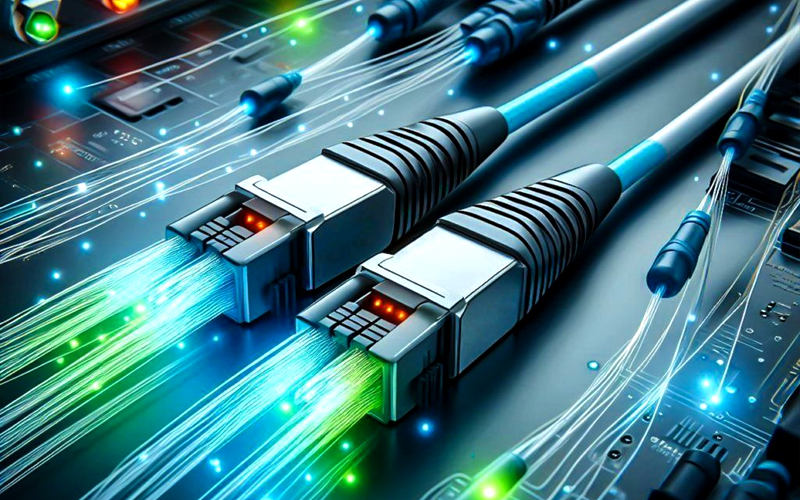
Fiber systems refer to the use of fiber optic cables to transmit data, voice, and video signals over long distances. These systems use light to transmit signals through thin glass or plastic fibers, offering incredibly high speeds and reliability. Fiber systems are widely used in various industries, including telecommunications, IT, and broadcasting.
Benefits of Fiber Systems
Fiber systems offer several benefits, including:
1. High-Speed Data Transmission: Fiber systems can transmit data at incredibly high speeds, making them ideal for applications that require fast data transfer.
2. Reliability: Fiber systems are known for their reliability and durability, ensuring minimal downtime and maximum uptime.
3. Security: Fiber systems are secure and resistant to interference, making them ideal for sensitive data transmission.
4. Scalability: Fiber systems can be easily upgraded and expanded to meet growing demands.
Types of Fiber Systems
At Cabcomm System, we offer a wide range of fiber systems to cater to different needs and applications. Some of the most common types of fiber systems include:
1. Single-Mode Fiber Systems: These systems use a single mode of light to transmit signals over long distances.
2. Multimode Fiber Systems: These systems use multiple modes of light to transmit signals over shorter distances.
3. Fiber Optic Cables: These cables consist of thin glass or plastic fibers that transmit data, voice, and video signals.
4. Fiber Distribution Panels: These panels provide a centralized point for fiber optic cable management and distribution.
5. Fiber Optic Transceivers: These transceivers convert electrical signals to optical signals and vice versa.
Applications of Fiber Systems
Fiber systems have a wide range of applications, including:
1. Telecommunications: Fiber systems are used in telecommunications to provide high-speed internet, voice, and video services.
2. IT and Networking: Fiber systems are used in IT and networking to connect devices and facilitate data transmission.
3. Broadcasting: Fiber systems are used in broadcasting to transmit high-frequency signals for television and radio broadcasting.
4. Data Centers: Fiber systems are used in data centers to provide high-speed data transmission and storage.
Why Choose Cabcomm System?
At Cabcomm System, we specialize in providing high-quality fiber systems that meet the demands of modern communication networks. Here’s why you should choose us:
1. Expertise: Our team has extensive experience in designing and installing fiber systems.
2. Quality Products: We offer high-quality fiber systems from reputable manufacturers.
3. Customized Solutions: We provide customized solutions to meet specific needs and applications.
4. Excellent Customer Service: We pride ourselves on providing excellent customer service and support.
Conclusion
In conclusion, fiber systems offer unparalleled speed, reliability, and security for high-speed data transmission. At Cabcomm System, we offer a wide range of fiber systems to cater to different needs and applications. Whether you’re looking for high-speed data transmission, reliability, or security, our fiber systems have got you covered. Contact us today to learn more about our fiber systems and how they can benefit your business.
Contact Us
If you’re interested in learning more about our fiber systems or would like to discuss your specific needs, please don’t hesitate to contact us:
Website: www.cabcommsystem
Phone: 9000112901
Email: info@cabcommsystem.com